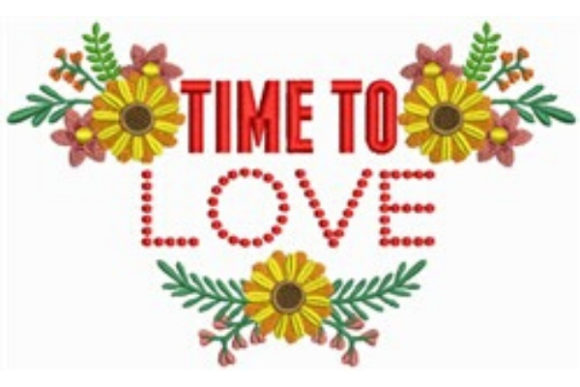
A Designer's Hands-On Review of the 'Time to Love' Embroidery
When a new embroidery file arrives on my desktop, I treat it like a client's precious fabric: with careful, practical examination. Today, I’m reviewing Time to Love not just as a digital design, but as the heart of a future personalized gift. My goal is to envision it stitched out, on real products, for real customers. Does it hold up? Let’s find out.
The First Stitch: Charm and Emotional Appeal
Opening Time to Love, the immediate impression is one of sweet optimism. It doesn’t shout; it whispers a cheerful, heartfelt sentiment. This design feels inherently handmade and warm, with a classic appeal that avoids being overly trendy. It carries a gentle, romantic mood, perfect for marking moments of love and celebration. While it fits beautifully within a Spring category, its emotional core—love and time—transcends any single season, making it a versatile choice for year-round gifting. For gift shop owners and Etsy sellers, this is key: a design that feels perennial sells consistently.
From Digital File to Cherished Finished Product
The true test of any machine embroidery design is its application. I imagined Time to Love stitched onto a range of products, and its potential shone.
Perfect Projects for This Design
- Baby Embroidery & Nursery Decor: On a baby blanket, burp cloth, or a wall hanging, this design offers a gentle welcome. It’s softer than bold graphics, ideal for creating a cozy, loving atmosphere.
- Wedding Gifts & Keepsakes: Embroidered on a pillow cover, linen napkin, or a custom tote bag for the bridal party, it becomes a timeless reminder of a new beginning.
- Family & Home Keepsakes: Kitchen towels, aprons, or pillow covers embroidered with Time to Love turn everyday items into meaningful heirlooms.
- Small Business Stock: For craft fair products or Etsy listings, this design elevates simple items. A plain towel becomes a premium embroidered towel, a basic tote becomes a thoughtful gift.
For baby product creators and wedding gift designers, this file provides a ready-made emotional hook. Using it in custom embroidery previews for clients can instantly communicate the handmade quality and intent of the final product.
Navigating the Practical Stitching Details
Even the loveliest design requires technical consideration. My review always includes a mental walkthrough of the stitching process.
Where Extra Care is Needed
- Small Lettering & Delicate Details: If the design includes fine text or intricate elements, I advise testing on scrap fabric first. Stitch density and proper stabilizer choice are critical to keep these details crisp, especially on challenging materials.
- Textured or Thick Fabrics: On items like thick towels or textured blankets, a robust stabilizer setup is non-negotiable to prevent puckering and ensure clean stitches.
- Stretch Fabrics & Curved Surfaces: For stretchy baby clothes or curved pillows, adequate stabilization and perhaps adjusting hoop technique are needed to maintain design integrity.
- Dark Fabric: Thread color contrast is paramount. I always recommend comparing digital mockups on both light and dark backgrounds to pre-visualize the final look.
- High-Wash Items: For products like kitchen towels or baby items that need frequent washing, the durability of the embroidery matters. A well-digitized design with secure stitches will last.
Before running this on a customer’s order, I would personally test on scrap fabric matching the final product’s texture, check all small details after stitching, and absolutely confirm the commercial licensing terms of the digital embroidery file if I plan to sell the finished products in my shop.
The Giftability Factor: Building Trust and Value
How does Time to Love translate into customer perception? This is where design meets business.
When a gift buyer sees this embroidery on a product, it instantly elevates the item from generic to personalized. The handmade quality suggested by the design fosters customer trust; it looks cared for and intentional. This directly boosts the perceived value, allowing small business owners and handmade sellers to command a fair price for their labor and artistry.
The emotional connection is direct. A customer seeking a meaningful baby gift or wedding keepsake isn’t just buying a pillow; they’re buying the sentiment Time to Love conveys. This enhances buyer engagement—they’re more likely to share the story of the gift. Even for product photography, a design with such clear charm makes items easier to market online; the story is visually told in the stitch.
Final Notes Before the Hoop
My review leaves me optimistic about Time to Love as a high-quality embroidery design for personalized gifts. Its sweet, classic appeal makes it a versatile asset for a maker’s portfolio.
To implement it successfully, I’d follow this short checklist:
- Verify all technical specifics of the embroidery file, such as recommended hoop size and any included color information, from the provider.
- Create a physical stitch-out on a representative fabric before committing to customer orders.
- Plan thread colors thoughtfully, considering both light and dark fabric applications.
- Ensure your stabilizer and machine settings match the fabric choice—terry cloth for towels requires a different approach than quilting cotton for pillow covers.
- Double-check licensing for commercial use if you are an Etsy seller or small shop product creator selling finished items.
With that practical groundwork done, Time to Love is ready to leave the digital world and become a cherished, tangible mark of care, time, and love on your next embroidery project.