Evaluating Anchor Scribble Stitch for Real Embroidery Work
When a new embroidery file lands in my library, my first question isn’t just about its beauty—it’s about its utility. The Anchor Scribble Stitch design immediately catches the eye, but as a designer and reviewer, my job is to look past the preview and imagine it stitched out on real fabric, on products that will be worn, sold, gifted, or cherished. This is that evaluation.
A Scribble That Speaks to Relaxed, Coastal Style
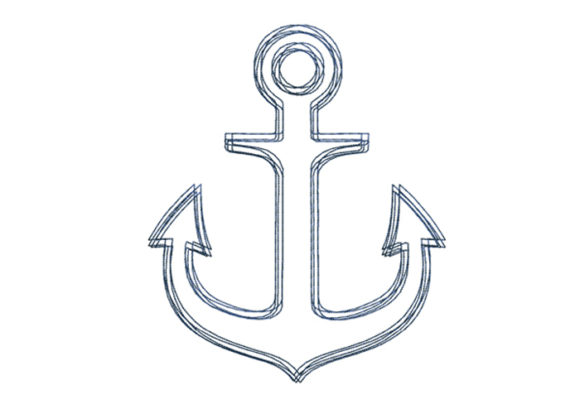
The first impression here is of casual, effortless charm. It has a sketch-like, freehand quality that evokes a sense of laid-back creativity. The Beach category feels apt, but not in a cliché way. This isn’t a rigid palm tree or a perfect wave; it’s more like the doodle you make while listening to the ocean. That visual personality suggests it belongs on items meant for leisure, comfort, and personal expression. Think of the mood it creates: relaxed, artistic, slightly nostalgic. It feels friendly and approachable, which is a fantastic starting point for a handmade product.
The Natural Project Fit: From Tote Bags to Boutique Baby Gear
In practical terms, this design screams for applications where that casual vibe enhances the product’s purpose. Picture it on a sturdy canvas tote bag—it becomes a unique, conversation-starting piece perfect for market trips or beach days. On a high-quality sweatshirt, it offers a subtle, artistic alternative to bold logos. For a creative entrepreneur, it could beautifully grace a linen pillow cover in a coastal-themed home decor line, or become a charming accent on a cotton apron for a small kitchenware shop.
One specific scenario I envision: a personalized baby blanket or nursery pillow. The scribble’s gentle, non-geometric form feels soft and safe, avoiding harsh lines. It could be embroidered in soft blues or sandy beiges, creating a lovely, custom gift. For an Etsy seller specializing in holiday embroidery or wedding gifts, this design could be stitched onto high-quality tea towels or blanket sets, offering a modern, artistic twist on traditional presents.
Performance on Real Products: Where It Shines and Where to Take Care
Moving from the idea to the hoop, let’s consider how Anchor Scribble Stitch performs in real-life embroidery situations. The inclusion of five sizes is a major advantage, allowing adaptation from a small accent on a cap’s curved surface to a larger statement piece on a tote. On stable, medium-weight fabrics like cotton twill, canvas, or quilting cotton, this design should stitch out with clarity. The sketch-like nature likely relies on a mix of running stitch and satin stitch for definition, which can create lovely texture.
However, the practical designer must also note where caution is needed. On highly textured or stretchy fabrics, the fine, freehand lines might lose definition if the stabilizer isn’t perfectly matched. On very thin materials, the stitch density could cause puckering. I’d be particularly mindful using it on dark fabric backgrounds; the included color chart is crucial, but you must test thread color contrast to ensure the scribble’s delicate lines pop and don’t get lost. For items needing frequent washing, like apparel or kitchen towels, a robust stitch construction is key—always test on a scrap first to see how the design holds up.
Affecting Value, Trust, and Presentation
How does using this design affect your finished product’s appeal? For a customer, a well-executed Anchor Scribble Stitch on a handmade item conveys thoughtfulness. It looks intentionally artistic, not generic. This boosts perceived value and supports a story of craftsmanship. For a small business owner, consistent use of such a distinctive design can aid in brand recognition—your products carry a unique, creative signature. Its giftability is high because it feels personal and designed, not mass-produced. In a commercial embroidery project for a boutique, it adds a bespoke touch that elevates standard merchandise.
From a seller’s perspective, using this design in printable mockups for your digital embroidery file listings can immediately show its potential, engaging buyers who can visualize it on their own projects. The clarity of the stitched preview affects customer trust; they believe they’re purchasing a quality, usable asset.
Essential Designer Notes Before You Hit ‘Start’
Before committing this design to a client project or a batch of shop merchandise, a few checks are non-negotiable. First, always stitch it out on a scrap of your actual project fabric. This reveals everything: the true thread color interaction, the behavior of small details, and whether any areas have problematic stitch density. Compare how it looks on both light and dark fabric scraps to plan your applications.
Second, confirm the specifics. The product description mentions multiple embroidery file formats and sizes—verify which formats you need for your machine and that the hoop size for your chosen version fits your product. Also, critically, confirm the licensing terms before selling any finished items or digital products. Understand whether it’s cleared for both personal and commercial use to protect your business.
Finally, think about adaptation. This scribble style might work beautifully as an embroidered patch if stitched on felt and applied, or as a decorative accent combined with other elements. Its strength is in its versatility, but that versatility requires your professional judgment to harness it correctly for each specific embroidery project.
A Design That Invites Creative Application
In closing this evaluation, the Anchor Scribble Stitch stands out as a design with strong character. Its success hinges not on being flawless in every scenario, but on being thoughtfully matched to the right project. It asks the designer to consider fabric, color, product purpose, and customer. When you do that, it rewards you with a finished product that feels uniquely crafted, casually elegant, and genuinely appealing—whether it’s destined for a gift box, a boutique shelf, or your own creative wardrobe.