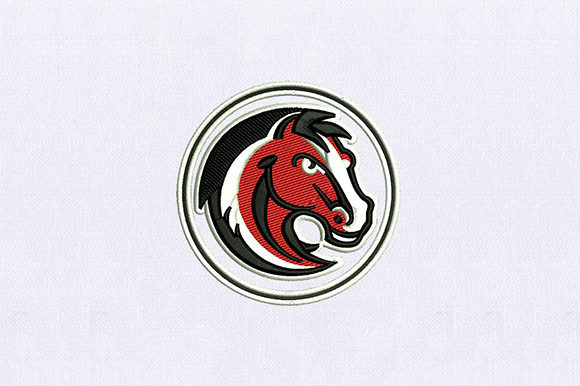
Expert Review: The Portrait Horse Head Embroidery Design
As a designer preparing for a weekend craft fair, my first task is to evaluate every new design file with a critical eye for marketability and production reality. The Portrait Horse Head embroidery design immediately presents itself as a detailed, elegant, and decorative piece. The name alone suggests a focus on artistry and portraiture, leaning away from cute or cartoonish styles toward something with a more premium, classic feel. This is a significant advantage in a crowded marketplace where distinct, quality-focused designs stand out.
First Impressions & Market Positioning
The Portrait Horse Head feels inherently bold and elegant. It is not a minimal sketch but a substantial, decorative element. This gives it immediate appeal for customers looking for a statement piece—something that conveys a love for horses with sophistication rather than whimsy. In a booth surrounded by simpler designs, this would act as a focal point, attracting buyers who appreciate detailed craftsmanship. Its mood is neither rustic nor overly modern; it sits in a timeless decorative space that can appeal to a wide demographic, from equestrian enthusiasts to those simply drawn to beautiful animal art.
Product Application: Where This Design Shines
Not every design works on every product. Here’s my practical assessment of where the Portrait Horse Head will perform best and drive sales.
Premium Home Goods & Wearables
This design excels on items where its detail can be appreciated at a larger scale. Pillow covers and tote bags are perfect canvases. The design becomes a central art piece, elevating the perceived value of the entire product. On an apron, especially a high-quality linen one, it transforms a utilitarian item into a boutique, giftable kitchen accessory. A single, well-placed Portrait Horse Head on a market bag or fabric pouch creates an item that feels special and handmade, not mass-produced.
Challenges with Smaller & Textured Surfaces
Careful consideration is needed for smaller applications. As an embroidered patch, the intricate details might lose clarity if scaled down too much. On a cap, the curved surface and typically thicker fabric can challenge fine detail, and stitch density must be managed to avoid a stiff, uncomfortable finish. For tea towel embroidery, the fabric texture can interfere with very fine lines. It’s crucial to test on actual scrap fabric first, especially textured towel material, to ensure the design retains its elegant definition.
The Power of a Real Mockup
Before committing to batch production, I always create at least one real mockup on the intended product—say, a neutral-colored tote bag. This tests not just the machine embroidery process, but how it photographs for Etsy listings and printable mockups. A detailed design like this needs strong thread contrast, particularly if stitching on dark fabric. Photographing it in good light to capture every stitch is essential for online sales, as that detail is your primary selling point.
Production Notes for the Craft Fair Entrepreneur
Turning a digital embroidery file into a reliable, sellable craft fair product requires a disciplined approach.
- Test, Test, Test: Run the Portrait Horse Head design on several scrap fabrics similar to your final products—cotton canvas for bags, linen for aprons, terry for towels. Inspect the stitch density; dense areas can cause puckering on lighter fabrics without proper stabilizer.
- Hoop Size & Stabilizer: Confirm the optimal hoop size for your intended applications. A larger design might require a bigger hoop, limiting which smaller items you can produce. Using the correct stabilizer for each fabric type is non-negotiable for a clean finish.
- Thread Color Selection: This design’s impact hinges on contrast. Plan your thread colors carefully against your base fabric colors. A monochromatic scheme on a light fabric can look soft and premium, while a dark thread on a light fabric makes it bold and graphic.
- Batch Production Review: Is this design repeatable for batch production? Check the stitch count and time per item. A very long, detailed stitch-out might not be efficient for producing dozens of items for a fair. Balance its premium appeal with your production capacity.
- Commercial Licensing: Before selling any finished product, absolutely confirm your right to use this digital embroidery file for commercial embroidery. This is a fundamental step for any small shop product.
Booth Strategy & Customer Engagement
At the craft fair itself, how will Portrait Horse Head perform?
This design has strong visual appeal for drawing customer attention. Display it prominently on a high-visibility item, like a pillow cover at the front of your table or a tote bag hanging from your booth structure. It tells a story of quality and care. When customers engage with it, they are likely to comment on the detail—that’s your opportunity to connect and explain the craftsmanship. It enhances your entire booth’s brand consistency if your other products share a similar level of thoughtful design.
Its value is perceived as higher than a simpler motif, allowing for a slightly higher price point that reflects the time and skill invested. For the buyer, it feels like a unique, handmade product, not just another generic machine embroidery design. This emotional connection is what turns a casual look into a sale.
Final Designer’s Advice
The Portrait Horse Head embroidery design is a powerful asset for entrepreneurs targeting customers who value artistry. Its success, however, depends entirely on thoughtful execution. Never skip the practical tests. Review spacing, check for any tiny details that might vanish on certain fabrics, and compare outcomes across different fabric colors. Use it where its detail can shine—on larger, premium goods. With that focus, this design can become a standout, profitable part of your handmade product line, captivating customers both online at your Etsy shop and in person at your craft fair booth.