Reviewing the Douwing-admiral Plate Embroidery Design
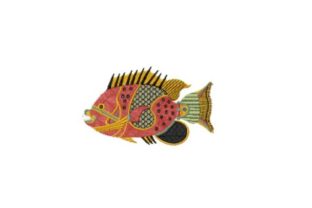
As an embroidery designer preparing my lineup for a weekend craft fair, every new machine embroidery design gets a real-world critique. It’s not just about aesthetics; it’s about whether it will look good in person, be practical to produce, and ultimately sell from my booth table. Today, I'm reviewing the Douwing-admiral Plate embroidery design, a piece based on historic art published around 1715.
First Impression: Elegant, Decorative, and Premium
The first thing I note about any design is its mood. The title Douwing-admiral Plate suggests a historical, naturalist illustration. Based on Louis Renard’s art, I expect this to lean towards elegant and decorative, rather than cute or rustic. For customers at a handmade market, this feel translates to a premium appeal. It’s not a mass-market cartoon; it’s a piece of art transferred to fabric. This is a strong starting point for targeting buyers looking for unique, sophisticated handmade gifts and home decor.
Product Applications: Where This Fish Design Will Stand Out
My craft fair table will have tote bags, aprons, tea towels, patches, caps, pouches, and pillow covers. I need to visualize where the Douwing-admiral Plate embroidery will perform best.
- Tote Bags & Market Bags: This design, as a focal point, would be excellent. Its decorative nature makes it a statement piece on a solid-color canvas bag. It feels more like a boutique maker product than a generic craft.
- Aprons & Kitchen Towels: Given the Fish category, there’s a natural fit for kitchen-themed items. On an apron pocket or a tea towel corner, it becomes a unique, artistic alternative to typical kitchen motifs. However, the elegance might clash with a very rustic farmhouse apron—I’d pair it with linen or high-quality cotton.
- Pillow Covers: This is a prime candidate. An embroidered pillow with this design would look luxurious and could anchor a booth display with a “home decor” section.
- Embroidered Patches: A patch version of the Douwing-admiral Plate could be a fantastic small-ticket item. It appeals to collectors, or those wanting to add a unique touch to a jacket or bag. The historic art angle gives it a story.
- Caps & Small Pouches: Here, caution is needed. The design’s complexity may not scale down well for a curved cap surface without losing detail. On a flat pouch, it could work as a small accent if simplified sections are chosen.
For Etsy sellers and digital sellers, this machine embroidery design offers versatility. The fact it comes in multiple embroidery file formats means I can use it across different machines, which is crucial for batch production.
Selling & Production: The Practical Eye Test
When evaluating for craft fair products, I think like a producer and a seller simultaneously.
Visual Clarity and Batch Production
Is the Douwing-admiral Plate easy to understand at a glance? A customer walking past my booth should instantly grasp its beauty and theme. The “fish” element is clear, but the historic style adds depth. This works well for customer attention—it’s different enough to make them stop. For online listings, this design should photograph beautifully, as fine details and texture from the stitches create a sense of handmade quality.
Is it repeatable for batch production? That depends on stitch count and density, which I must check in the actual embroidery file. A very dense design might take longer per item, affecting my pricing and time for the fair. I always advise: test the design on scrap fabric first to gauge time and thread usage.
Scale: Focal Design vs. Small Accent
The Douwing-admiral Plate feels like a large focal design. Its intricate lines and likely detailed shading deserve space to be appreciated. Trying to shrink it onto a cap or a tiny patch might compress those details into a muddled blob. For small items, I might consider isolating a single element from the full plate if the file allows.
Careful-Use Notes: Preserving Detail and Quality
Every design has its challenges. For this one, based on classic art, I anticipate a few production considerations that affect the finished product.
- Dense Stitch Areas: Illustrative designs can have heavy fill areas. On textured towels or thick fabric, this requires a good stabilizer to prevent puckering and maintain that premium look.
- Tiny Details: Small line work or delicate features could break on coarse fabrics. Testing on the final product fabric (like a tea towel) is non-negotiable.
- Dark Fabric & Thread Contrast: To keep the design vibrant, I’d plan to use bright, contrasting threads on dark backgrounds. This enhances visual appeal on items like a dark linen tote.
- Curved Surfaces: As noted, caps can be tricky. The design’s flat, illustrative nature might not adapt perfectly without adjustments.
These points directly impact product value. A poorly executed, puckered design on a tea towel looks cheap, while a crisp, clean embroidery on a pillow cover looks valuable and justifies a higher price.
Booth Display and Buyer Engagement
At the fair, my booth’s strength comes from variety and visual impact. The Douwing-admiral Plate would serve as a display anchor. A large, beautifully embroidered pillow cover or tote bag as a sample instantly communicates the skill and theme. It tells a story—"historic natural art"—which I can mention in brief conversations to engage buyers. This boosts brand consistency if my shop leans towards artistic, nature-inspired goods.
For small shop products, having a range of items (patch, towel, pillow) from the same design creates a cohesive collection. Customers who love the style might buy more than one item.
Final Designer Notes: Pre-Production Checklist
Before I commit to producing a batch of Douwing-admiral Plate products for sale, here is my practical checklist:
- Test on Scrap Fabric: Always do this first. Check for stitch density, thread tension, and overall appearance.
- Check Thread Contrast: Run tests on both light and dark fabrics to choose optimal thread colors.
- Review Spacing and Hoop Size: Confirm the required hoop size from the embroidery file to ensure it fits my intended products (e.g., large hoop for pillows).
- Inspect Stitch Density: High density can wear machines quickly in batch production. Balance quality with production speed.
- Use the Right Stabilizer: Match stabilizer to fabric type—this is critical for tea towels and bags.
- Create at Least One Real Mockup: Make one final, sale-quality product (like a tote bag) to judge the true finished product appeal.
- Compare Fabric Colors: See how the design looks on various color backgrounds for my product line.
- Confirm Commercial Licensing: The description mentions it’s a machine embroidery design for multiple machines, but I must verify the license allows selling the finished products commercially before I stitch anything for the fair.
In summary, the Douwing-admiral Plate embroidery design holds strong potential for craft fair and handmade market products. Its elegant, artistic feel sets it apart in a crowded marketplace. It will shine best as a focal point on premium items like tote bags, pillow covers, and as a story-rich embroidered patch. For Etsy sellers and boutique makers, it offers a unique digital embroidery file asset. My final recommendation is to proceed with careful testing, focusing on larger-scale applications where its decorative details can be fully appreciated, turning historic art into modern, sellable handmade embroidery.