Houston, We Have a Problem: A Craft Fair Design Review
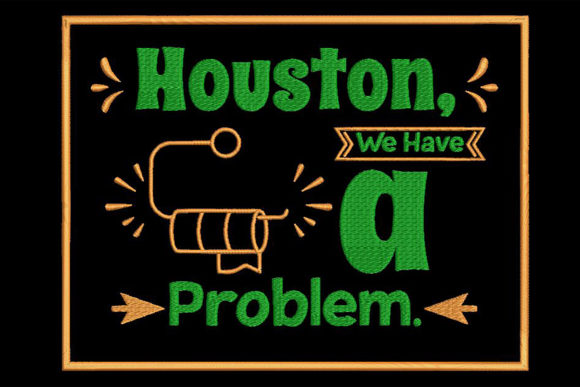
As I prepare my inventory for a weekend craft fair, I’m always evaluating which embroidery designs will truly resonate with customers and stand out on a crowded table. Today, I’m looking at Houston, We Have a Problem, a machine embroidery design I’m considering for a range of handmade products. Let’s break down its potential.
The First Impression: Humor with a Touch of Nostalgia
This title immediately sets a tone. It’s not cute or rustic; it’s witty, slightly retro, and universally recognizable. The phrase carries a sense of playful panic that’s perfect for creating a connection. On a product, it feels conversational, inviting a smile rather than just serving as decoration. This gives it a strong edge in a handmade market where personality sells.
Where It Stands Out: Product Pairing & Booth Placement
Imagining my booth display—embroidered tote bags, aprons, tea towels, caps, and small pouches—I need to decide where Houston, We Have a Problem would shine. It’s not an ornate, decorative piece. Its strength is its message.
Prime Candidates for Success
- Tote Bags & Market Bags: This design makes a fantastic statement on a tote. It’s bold enough to be read from a few feet away, adding value to a simple bag. It feels conversational and functional.
- Aprons & Kitchen Towels: While the product category mentioned is Bathroom, this phrase has a classic kitchen vibe too. On an apron or tea towel, it becomes a fun, relatable gift for anyone who enjoys cooking (or dealing with kitchen mishaps).
- Embroidered Patches: This is an excellent candidate for a patch. The text-based nature means it retains clarity even at smaller sizes, perfect for applying to jackets, bags, or caps. Patches are quick, high-margin items at fairs.
- Pillow Covers & Small Pouches: As an accent on a pillow or a fabric pouch, it leans more toward a giftable, humorous home item. It wouldn’t be my primary focal design for these, but as a smaller, well-placed element, it adds character.
Products That Might Need Careful Consideration
- Caps: The curved surface of a cap can distort text. Small lettering or dense stitch areas can become problematic. If Houston, We Have a Problem has very small text, it might lose clarity here. A test run on scrap fabric is essential.
- Dark Fabrics: Thread contrast is critical. If the design file doesn’t include a suggested color palette, choosing a bright, high-contrast thread (like white or yellow) will ensure it pops on dark towels or bags.
Practical Production & Selling Points
From the perspective of an embroidery business owner producing batches for a fair, practical concerns are paramount.
Design Clarity & Batch Production
The beauty of a text-based design like this is its instant readability. Customers understand it at a glance from across the booth, which is a huge sales advantage. It also lends itself well to repeatable batch production. Once I’ve perfected the stabilizer, hoop size, and thread sequence for one product, I can efficiently produce multiple units, which is key for stocking a fair booth.
Photography & Online Sales
For my Etsy listings or printable mockups, this design photographs well. Text on a clean fabric background is straightforward to capture and looks professional in digital listings. It clearly communicates the product’s humor and value, aiding online buyer engagement.
Stitch Density & Fabric Texture
A high-quality embroidery design should have well-managed stitch density. Before I commit to production, I’ll test it on the actual fabrics I plan to use—like the textured linen of a tea towel or the thick cotton of a tote bag. Dense stitch areas on textured towels can cause puckering, and tiny details on thick fabric might get lost. Checking these details on scrap fabric saves wasted materials and time.
Craft Fair Booth Impact & Customer Engagement
This design affects my booth’s dynamics in several ways. A well-executed Houston, We Have a Problem tote bag or apron acts as a conversation starter. It draws people in because it’s funny and familiar. It elevates a simple product from just a handmade item to a branded, witty statement piece, increasing perceived value. For brand consistency, if my shop leans toward humorous, conversational goods, this design fits perfectly and strengthens my overall display theme.
Essential Designer Notes Before Selling
Before I create any finished product for commercial sale, my process involves several crucial steps.
- Create a Real Mockup: Never rely solely on the digital file. Embroider Houston, We Have a Problem on a physical sample of the intended product—a tea towel, tote, or patch blank. This reveals real-world appearance and any production quirks.
- Confirm Hoop Size & Stabilizer: The description notes it comes with multiple embroidery file formats, which is excellent for machine compatibility. I must check the design’s inherent size and required hoop to ensure it fits my intended products without awkward scaling.
- Review Thread Colors & Contrast: I’ll stitch a sample on both light and dark scrap fabric to test thread color choices. Good contrast is non-negotiable for customer attention.
- Inspect Small Lettering & Spacing: If the design includes intricate, small lettering, I’ll check its clarity at the size I plan to sell. On a curved cap or a small pouch, it might need adjustment.
- Confirm Commercial Licensing: The description says it’s perfect for creative projects. As an Etsy seller or small shop owner, I must verify that the license explicitly permits me to sell the finished, embroidered products commercially. This is a fundamental step before any batch production.
Final Craft Fair Verdict
Houston, We Have a Problem is a strong contender for my handmade product line. Its humorous, text-based nature makes it highly marketable at a craft fair, particularly on statement items like tote bags and patches. Its success hinges on practical execution: choosing the right fabric, ensuring thread contrast, and testing for clarity on textured surfaces. With careful production and a focus on products where its message shines, this embroidery design can become a reliable, engaging part of my booth display and a product that customers remember and buy.