Mustached Swift: A Craft Fair Bird Embroidery Review
As an embroidery designer preparing my booth for a weekend market, my first task is to evaluate every new design. I look at it not just as an artwork, but as a product. Today, I’m reviewing the Mustached Swift embroidery file. This original design promises quality, but how does it translate into a real-world, sellable craft fair product?
First Impression: Where This Bird Lands on the Style Spectrum
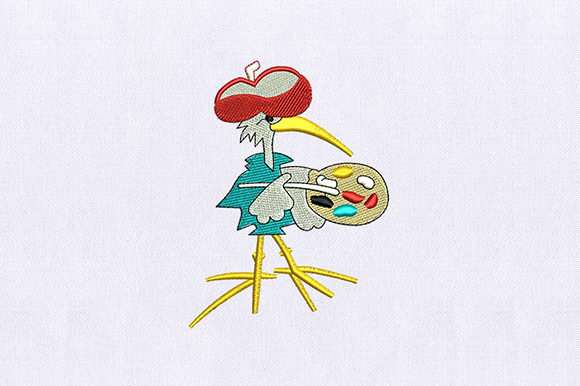
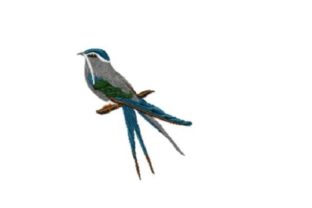
The title Mustached Swift immediately suggests a character—a touch of whimsy, perhaps a little vintage or humorous. It isn’t a generic bird silhouette. The word “lovely” in the description leans towards decorative and charming rather than bold or minimal. This gives me a strong initial mood: cute, slightly rustic, and definitely character-driven. For a market audience, this isn’t a stark modern graphic; it feels approachable and story-rich, which can be a powerful hook for customers looking for something unique and conversation-starting on a handmade product.
Product Performance: Where Mustached Swift Will Shine
My display table has categories: everyday items, gifts, and decorative pieces. I visualize the Mustached Swift across them.
Strong Candidates for High Sales
Tote bags and market bags are my top pick. The design’s character will act as a focal point on a large, flat surface. A cute bird with a mustache on a natural canvas tote immediately tells a story—it’s fun, it’s personal, and it stands out in a crowded booth. Similarly, pillow covers offer a perfect canvas. The decorative, lovely nature of the design makes it ideal for home decor, appealing to buyers looking for a touch of whimsy in a living room or bedroom.
Tea towel and apron embroidery are classic sellers, especially with a design that feels a bit farmhouse-friendly. However, here texture is key. The description says it looks great on any fabric, but I must consider the dense, often looped texture of kitchen towels. If the design has areas of high stitch density, it will hold up beautifully and look premium. On an apron, placed on the chest or pocket, it becomes a delightful signature detail for the home cook.
Great for Giftable Items & Booth Samples
Small fabric pouches and caps are excellent for lower-price-point gifts. On a curved cap surface, clarity is crucial—small details or tiny lettering can get lost. I need to see the file to confirm it works at a smaller scale. A simple, clear Mustached Swift on a cap could be a fantastic, quick-sale item. Creating a real embroidered patch with this design is another smart move. Patches are versatile, affordable, and allow customers to engage directly with the artwork, applying it to their own items. This boosts buyer engagement.
For my booth itself, I always create at least one real mockup. A beautifully embroidered tote with the Mustached Swift isn’t just a product; it’s a sample. It demonstrates the handmade quality, the thread vibrancy, and the tactile appeal that a printable mockup on an Etsy listing cannot fully convey. It draws the eye and lets customers feel the texture.
Considerations for Production & Display
Embroidered patches require clean edges and good contrast. Dark fabric choices need bright thread colors to make the Mustached Swift pop. For batch production, this design feels repeatable if it’s not overly complex—a consistent, charming design that builds brand consistency across a line of products.
Practical Designer Notes for Craft Fair Success
Before I stitch anything for sale, my professional process is non-negotiable. Here’s how I’d apply it to the Mustached Swift.
First, I always test the design on scrap fabric that matches my intended products—canvas for totes, linen for towels, twill for caps. This reveals how the fabric texture interacts with the stitches. I check thread contrast across light and dark samples. A lovely design can vanish on a navy background if the colors aren’t chosen wisely.
I review spacing and inspect stitch density. Are there incredibly dense areas that might be stiff on a tea towel? Are there tiny details that might become a muddy blob when stitched small on a cap? The description claims it looks great on any fabric, but my job is to verify that through hands-on testing. I need to know the recommended hoop size to plan my production efficiently. Using the right stabilizer for each fabric type is critical to maintain the design’s crispness and ensure the finished product looks professional.
For my Etsy listings and other online shops, how it photographs is vital. I’ll compare fabric colors in my photos to show the Mustached Swift on cream, grey, and black, demonstrating its versatility. The cute, character-driven nature should photograph well, creating engaging design assets for my digital storefront.
Finally, and crucially, before any commercial embroidery for sale, I must confirm commercial licensing for the digital embroidery file. The product description is a starting point, but the license terms are what legally allow me to sell finished products at my craft fair booth or small shop. I never proceed without that clear confirmation.
The Final Market-Ready Verdict on Mustached Swift
The Mustached Swift design, from a selling perspective, has strong potential. Its inherent character gives it an edge in customer attention. It feels less like a generic graphic and more like a story on a product, which increases perceived product value. For a craft fair booth, items like totes and pillows with this design create a cohesive, charming display theme around birds and whimsy, strengthening my overall booth display strength.
Its success hinges on practical production. It must be tested for clarity at various sizes and on different textures. If it stitches cleanly and maintains its delightful “mustached” character without overly complex details that slow down batch production, it will become a profitable staple. For the embroidery business owner, the Cricut and embroidery crafter, and the creative entrepreneur, the Mustached Swift represents an opportunity—to transform a lovely machine embroidery design into a range of products that catch the eye, tell a tiny story, and ultimately, sell from the table to a customer’s hands.