Painter Bird Embroidery: A Small Business Branding Review
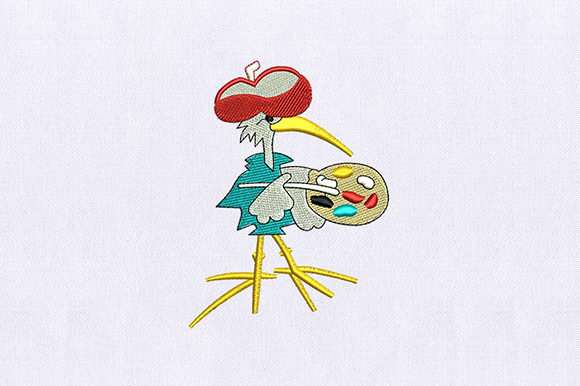
When a design file titled Painter Bird lands in my library for business use, my first question isn't about its decorative appeal. It’s about its brand viability. From the description, this bird design promises quality and versatility, claiming it will look great on any fabric. But how does it translate from a cute machine embroidery design to a tool for building customer trust and recognition? Let’s put on my professional embroidery designer hat and review this for real-world small business merchandise.
First Impressions: Visual Personality for Your Brand
The name Painter Bird immediately suggests creativity and artistry. This isn't a generic bird; it's a bird with a purpose. For a small business—be it a café, boutique, creative studio, florist, or pet brand—this name carries a friendly, handmade, and playful personality. It leans more towards rustic elegance than cold modernity. The design feels approachable. In a marketplace saturated with harsh geometric logos, a well-executed Painter Bird embroidery can signal a premium, artisanal, and human-touch brand identity. It’s decorative, yes, but its inherent story (“painter”) makes it a narrative asset for your product labels, packaging, and customer-facing merch.
Real Business Applications: Where This Design Excels
As an embroidery designer, I evaluate a design based on its performance across common small business applications. Here’s where I foresee the Painter Bird design shining.
Embroidered Patches for Product & Packaging
For Etsy sellers, handmade brands, and craft businesses, an embroidered patch is a powerful product add-on. Sewn onto a tote bag, apron, or garment, it instantly elevates a simple item into branded merchandise. The Painter Bird, with its described high-quality stitching, could serve as a beautiful patch for product labels. A bakery could use it on apron corners; a florist might attach it to reusable tote bags as a gift-with-purchase. Its success here hinges on clarity at smaller sizes—a critical point we’ll address later.
Staff Uniforms & Professional Apparel
For uniforms, caps, and work shirts, embroidery fosters professionalism and team cohesion. The Painter Bird could be an excellent chest logo accent or sleeve detail for businesses wanting a softer, creative identity. On an apron in a café or bakery, it’s perfectly thematic. On a polo shirt for a boutique or art studio staff, it’s a distinctive mark that builds visual consistency without feeling corporate.
Tote Bags, Caps, and Event Merchandise
These are revenue-generating items. A tote bag with a clean Painter Bird embroidery becomes a sought-after customer item. For event merch or customer gifts, this design’s cute and friendly aesthetic increases buyer engagement. It feels like a keepsake, not just a logo.
Practical Considerations & Designer Notes
Before you run this embroidery file on your commercial projects, a professional review involves rigorous practical checks. These notes are crucial for ensuring the finished product reflects your brand’s quality.
- Test at the Target Size: Always test the Painter Bird design at the actual size you plan to use, especially for patches or cap fronts. A design that looks great on screen can lose definition when miniaturized. Check for clarity of outlines and details.
- Color Contrast is Key: The description doesn’t list thread colors. Before production, create mockups to review contrast. Test it in black and white first on your intended fabric (e.g., a dark uniform vs. a light apron). Poor contrast ruins recognition.
- Fabric and Stabilizer Partnership: The claim it works on “any fabric” is aspirational. Always match the fabric texture (like canvas for tote bags, twill for caps, or denim for jackets) with the correct stabilizer. High stitch density can pucker on lightweight fabrics without proper support.
- Create a Printable Mockup for Client Approval: If you’re an embroidery shop serving small business clients, never proceed without a visual mockup. Place the Painter Bird on images of caps, aprons, and shirts. Compare it beside the client’s other design assets to ensure harmony.
- Confirm Commercial Licensing: The product description mentions a machine embroidery design. As a digital embroidery file buyer for business use, you must confirm its commercial license terms before applying it to merchandise for sale. This is a non-negotiable step.
Caution Areas: Where to Use Carefully
Even excellent designs have limitations. For Painter Bird, pay special attention to these scenarios.
- Very Small Patch Sizes: If you need a tiny patch (under 1.5 inches), intricate details might become a blur of thread. Request or create a simplified version if necessary.
- Curved Surfaces like Cap Fronts: Hoop size and design orientation matter greatly here. A design with a wide base might not sit well on the curved crown of a cap. Always test on a real sample cap.
- Items Requiring Frequent Washing: On staff uniforms or aprons washed daily, a design with extremely high stitch density or very fine details might wear faster. Balanced density is key for durability.
- Complex Textured Fabrics: While versatile, heavily textured fabrics can obscure finer elements of the bird design. A test stitch-out on the actual material is imperative.
Building Brand Identity with Thread
Ultimately, choosing an embroidery design like Painter Bird is a branding decision. When stitched onto your merchandise, it communicates values. It suggests a brand that cares about craft, aesthetics, and a handmade presentation. This builds customer trust and enhances perceived product value. A consistent application across your touchpoints—from staff aprons to customer tote bags—creates a memorable, cohesive brand experience. It moves your business from simply selling a product to offering an identity.
As a final, professional recommendation: treat the Painter Bird not just as an embroidery file, but as a core design asset. Integrate it thoughtfully into your visual ecosystem. Its success in your commercial embroidery projects will depend less on its inherent cuteness and more on your strategic application and rigorous technical preparation. Check the specifics—hoop size, stitch count, file format—as provided by the designer, and then let this painter bird help paint the perfect picture of your brand.